
The Emotional Cost of Teaching
I'd Like to Apologize to Every Teacher I Ever HadDanza’s growing involvement with students provides the year’s greatest rewards while exposing how emotionally demanding teaching can become.
increasing Bearing strength in each event
 decreasing
Bearing strength in each eventdecreasingThe First Tears
The First Tears
Effort meets resistance
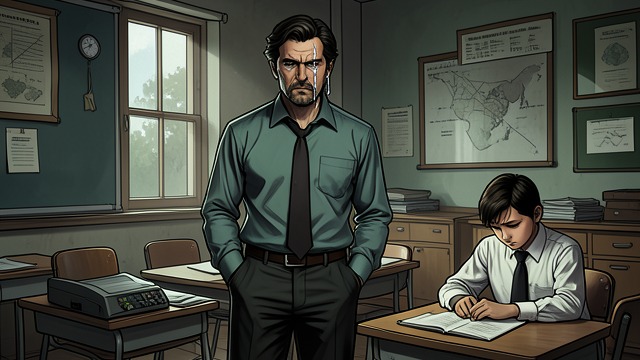
Danza feels that he has tried hard without reaching the students. When David asks whether he has cried yet, the question releases the emotion he has been holding back.
A normal professional strain
David tells him that teachers sometimes cry after school. Danza begins to understand that emotional exhaustion is not a personal failure but part of a difficult job.
Stories That Stay
Stories That Stay
Students bring private crises
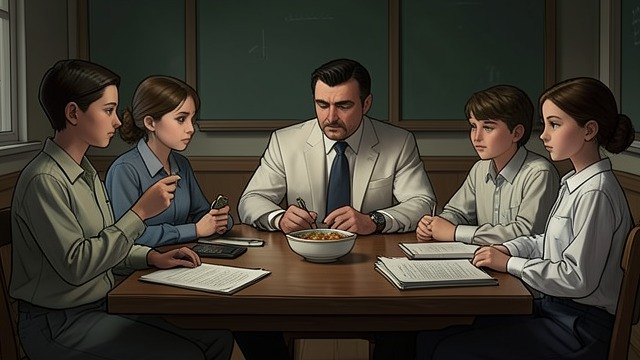
Students tell Danza about housing problems, family conflict, absence, and fear. He tries to respond with listening, food, referrals, and practical help.
Limits of a teacher’s reach
Each story makes his commitment stronger but increases the number of problems he carries home. The work offers no simple boundary between instruction and care.
The Contest Makes Him Cry
The Contest Makes Him Cry
A poem strikes home
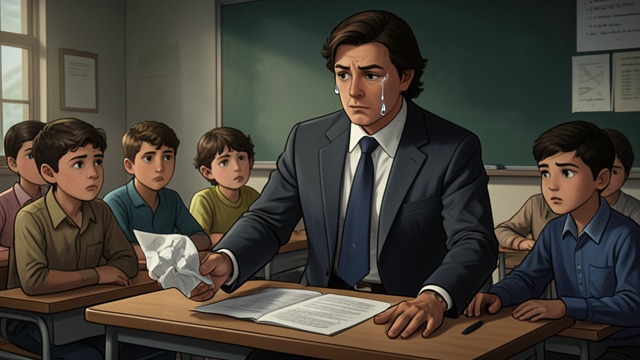
Danza reads Paige’s poem about a missing father and begins to cry. When students call him a crybaby, he explains that poetry can make people feel deeply.
Emotion used constructively
He does not hide the response or shame the class for noticing it. His openness makes vulnerability part of the lesson, though it also confirms how personally he experiences students’ work.
A Near Medical Crisis
A Near Medical Crisis
A student collapses
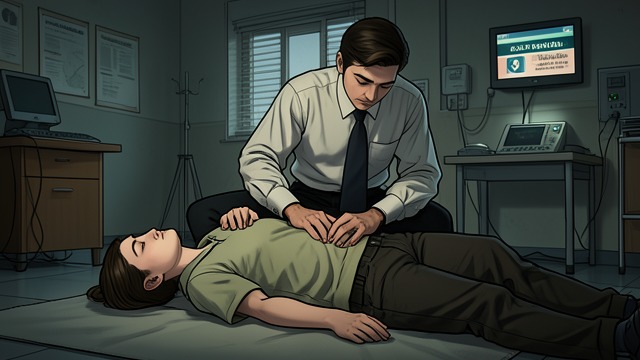
Ben-Kyle faints during a dizzy relay race, and Danza fears that the boy has died. He checks for a pulse, stays with him, and gets him to the nurse.
Care becomes responsibility
Danza drives Ben-Kyle and his father to the hospital after the family arrives on foot. The incident reveals the intensity of a teacher’s fear when a student’s safety is at stake.
The Emotional Grind Named
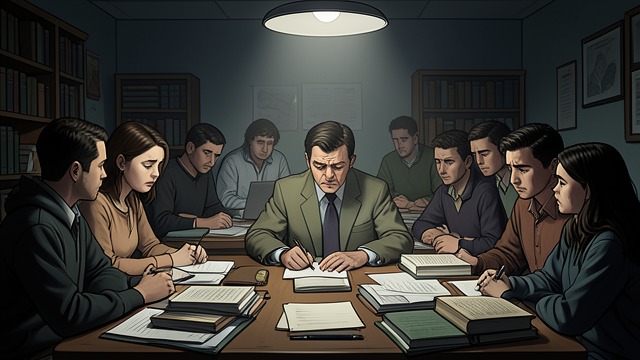
The Emotional Grind Named
Another teacher’s account
A teacher describes carrying a large student load and struggling to provide the attention students need. Danza recognizes the same tension in his own year.
A question without an easy answer
They consider how much a teacher can give before losing a personal life. Danza concludes that the emotional grind, not only the paperwork, makes the profession difficult to sustain.
Early September, after a classroom review
Autumn, as the half-sandwich club grows
Spring, during poetry practice
The day of the ultimate review hunt
Spring, after a conversation at the gym
